
The physical infrastructure damage inflicted on Gulf energy assets by the Iran conflict is rapidly becoming a separate and compounding element of the energy market crisis. Beyond the supply disruption caused by shipping lane closure and storage constraints, the actual destruction of energy infrastructure — most dramatically the drone strike on Qatar’s LNG terminal — is creating damage that will require weeks or months to repair regardless of when the military conflict ends.
Qatar’s LNG terminal damage represents the most significant single infrastructure casualty so far. Qatar supplies roughly 20% of global LNG, and the terminal damage has knocked out a significant portion of that export capacity. The country’s energy minister has warned that even an immediate ceasefire would leave exports offline for weeks or months. The physical complexity of LNG infrastructure — with its intricate systems of liquefaction equipment, storage tanks, and loading facilities — means that repairs cannot be rushed without risking additional damage.
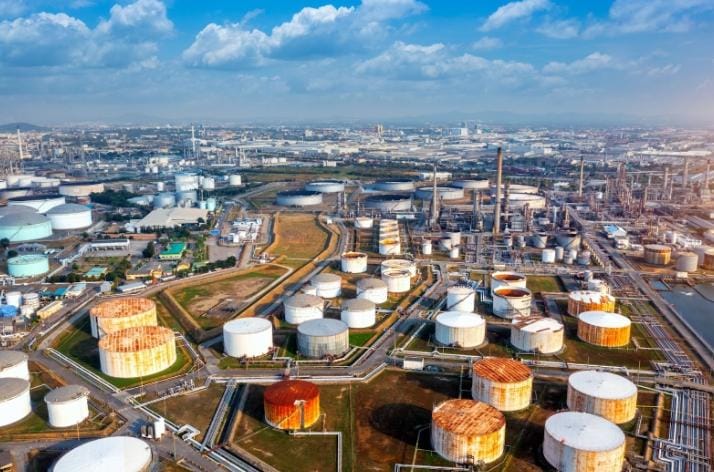
The broader pattern of Gulf infrastructure vulnerability has been exposed by the conflict. Oil storage facilities in Kuwait, Saudi Arabia, and the UAE — built for normal operating conditions, not prolonged military conflict — are filling rapidly because they were never designed to hold oil indefinitely when shipping lanes are closed. Kuwait has already been forced to cut production, and Saudi Arabia and UAE face storage exhaustion within 20 days. The infrastructure was not designed for this scenario.
Nine vessels have been struck in the Gulf since the conflict began, and each attack adds to the damage assessment. Oil tankers and LNG carriers that are hit may require weeks in drydock for repairs, reducing the capacity of the tanker fleet at precisely the moment when it needs to be at maximum capacity to move the backlog of stranded oil and gas. The compound effect of infrastructure damage across multiple parts of the supply chain is multiplicative rather than additive.
Financial markets are processing the infrastructure damage as part of a broader crisis. Oil above $91 a barrel — more than 25% above pre-war levels — reflects the market’s assessment of both the immediate supply disruption and the longer recovery timeline created by infrastructure damage. Bond yields have surged, stocks have fallen sharply, and airlines have warned of massive losses. Qatar’s energy minister’s warning of $150 oil assumes that the infrastructure damage prevents a quick return to normal operations — an assumption that is deeply plausible given the physical realities on the ground.