
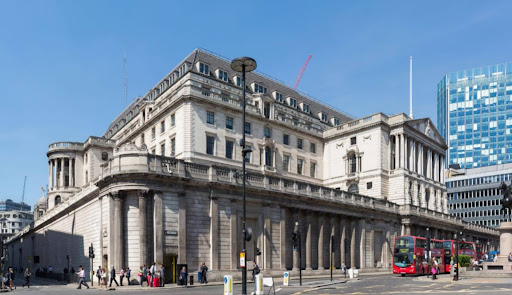
The next meeting of the Bank of England’s monetary policy committee has become one of the most significant in recent years following the unanimous decision to hold rates at 3.75% on Thursday and the hawkish warnings issued about the Iran war’s energy price impact. The committee’s willingness to signal potential rate hikes while explicitly holding fire has elevated the stakes for the subsequent gathering, when more data about the war’s inflationary consequences will be available. Officials warned that inflation could rise above 3% and that borrowing costs might need to increase before year end.
The elevated importance of the next meeting stems from the explicit conditionality of Thursday’s hold. Governor Andrew Bailey made clear that the Bank was in assessment mode, waiting for more information about how the conflict and its economic consequences develop before committing to a policy direction. This means the next meeting will arrive with a set of questions that Thursday’s decision left explicitly open, making it a more decisive moment than would otherwise be the case.
Between now and the next meeting, the committee will have access to new inflation data that will provide the first quantitative read on how quickly the war’s energy price impact is feeding through to UK consumer prices. It will also have more information about the trajectory of the conflict itself — whether it is de-escalating or intensifying — which is the primary determinant of the future path of energy prices. Both of these inputs will be critical to the committee’s next decision.
Financial markets are already pricing in the elevated importance of the next meeting. UK gilt yields rose, the FTSE 100 fell, and the pound strengthened against the dollar as traders positioned for what they expect will be a June rate hike. The market’s pricing itself becomes a form of forward expectation that the Bank will need to either validate or push back against.
For analysts and investors, the next MPC meeting has taken on characteristics of a potential pivot point. Whether the Bank moves to hike, continues to hold, or finds reasons to maintain its current cautious stance will reveal much about how the committee is interpreting the evolving evidence. The stakes — for households, markets, and the Bank’s own credibility — have rarely been higher.