
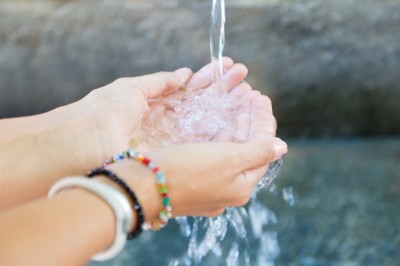
Luxembourg has initiated its first-ever nationwide drinking water vigilance phase in response to prolonged high temperatures and scant rainfall, which have led to increased demand on the country’s water resources. The government has implemented this alert to safeguard drinking water supplies and avert potential shortages. While the national strategy currently seeks voluntary compliance from residents, some municipalities have already imposed mandatory water-use restrictions.
In Esch-sur-Alzette, local authorities have enacted specific measures to curb non-essential water use. These include prohibitions on activities such as washing cars outside of professional services, cleaning pavements and building exteriors, filling private swimming pools and ornamental ponds, and operating fountains that do not recirculate water. Additionally, cooling food or drinks under running water and watering parks, sports fields, and other green areas—except for newly planted spaces—are restricted.
Businesses that require water for their operations are exempt from these limitations. However, residents should be aware that violating local regulations could result in fines ranging from €25 to €250. The nationwide concern extends to natural water sources as well, with the Water Administration reporting that river levels have dropped to critically low points across Luxembourg. Consequently, water extraction from rivers is generally banned, with the Moselle River being the only exception.
Officials are calling on citizens to conserve water by adopting simple measures: taking shorter showers, running washing machines and dishwashers only when fully loaded, minimizing garden watering, and avoiding unnecessary outdoor water use. These steps are deemed vital in staving off more severe restrictions should the dry conditions persist.
The urgency of the situation underscores the need for collective action to manage the nation’s finite water resources effectively. Authorities emphasize that adherence to these guidelines can make a significant difference in preserving water supplies, thereby mitigating the impact of ongoing dry weather patterns.