
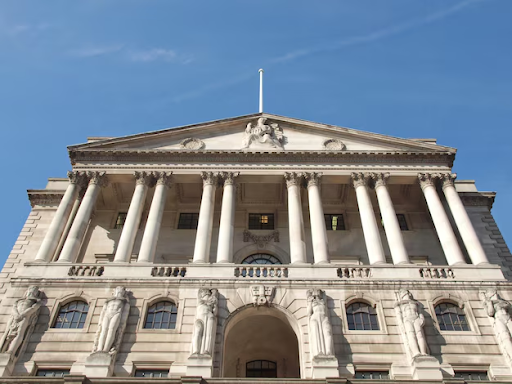
The Bank of England has held interest rates unchanged at 3.75%, with challenges in measuring inflation accurately complicating policy decisions. Statistical measurement issues affect how confidently policymakers can assess progress toward targets.
The monetary policy committee’s 5-4 vote relied on inflation data that imperfectly captures price changes. Quality adjustments, new products, changing consumption patterns, and housing cost treatment all create measurement challenges. The reported 3.4% inflation might not precisely reflect actual price pressures.
These measurement issues particularly affect understanding whether inflation is falling as quickly as data suggest. If reported declines partly reflect statistical artifacts rather than genuine price moderation, policy based on these readings might prove premature. This argues for the caution shown by the five members voting to hold.
However, measurement challenges cut both ways. Official inflation might understate price pressures in some areas while overstating them in others. If actual inflation is lower than reported, maintaining higher rates for longer causes unnecessary economic damage. This supports the four members voting for cuts.
Governor Bailey’s projection that inflation will fall to around 2% by spring uses official measures with their limitations. The emphasis on ensuring inflation “stays there” partly reflects awareness that measurement noise could create false signals. The GDP forecast of 0.9% relies on equally challengeable output measurements. Unemployment at 5.3% depends on labor force survey methods with known problems. Chancellor Reeves’s budget measures, including utility bill cuts and rail fare freezes from April, have clearer mechanical effects on measured inflation than many other factors. The forecast of 2.1% inflation by mid-2026 should be understood as subject to measurement uncertainty.