
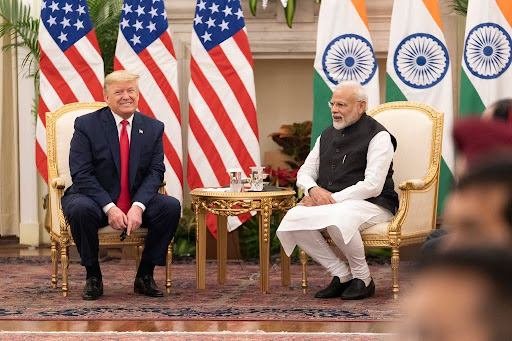
The Trump administration has made a clear calculation: the prospect of achieving peace in Ukraine is worth the risk of fracturing its alliance with India and undermining its own sanctions policy. The central question is whether this high-stakes bet is a worthy one.
The potential reward is enormous. A negotiated end to the conflict in Ukraine would be a monumental achievement, saving countless lives and stabilizing the European security landscape. If dangling a return for Exxon Mobil is the key to unlocking this, proponents would argue it is a price worth paying.
The costs, however, are also significant. The 50% tariffs now active against India have created deep resentment and damaged trust with a vital strategic partner. Furthermore, creating exceptions to the Russia sanctions regime could weaken its long-term effectiveness.
Ultimately, history will judge whether the price was right. If the strategy succeeds in delivering a lasting peace, it may be hailed as a masterstroke of pragmatic diplomacy. If it fails, it will be remembered as a move that alienated a key friend for the sake of a fleeting, unsuccessful overture to a foe.