
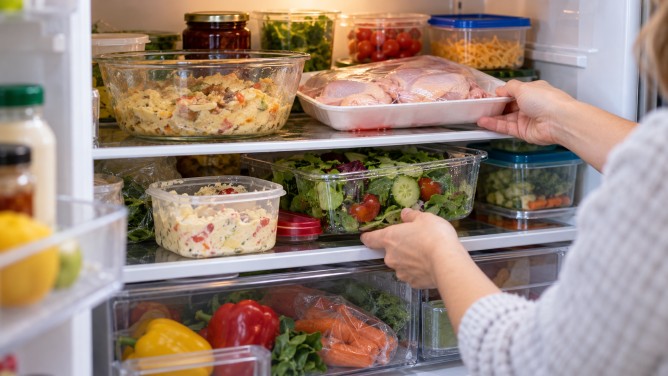
Improper food storage practices can lead to foodborne illnesses by allowing harmful bacteria to grow. Ensuring food safety involves more than just cooking; it requires attention to how food is stored and reheated. Key mistakes in food storage can increase the risk of contamination, making it crucial to follow safe storage practices.
One common error is leaving cooked food out for extended periods. Food should generally be refrigerated within two hours of cooking, or within one hour if temperatures are above 32°C. Bacteria can multiply when food is left at room temperature, so it’s advisable to divide large portions into smaller containers to cool them more quickly before refrigerating.
Another frequent mistake is overfilling the refrigerator. A packed fridge can hinder air circulation, making it difficult to maintain a safe temperature. It’s important to keep the refrigerator at 4°C or below and to arrange items so that cold air can circulate freely, ensuring food stays adequately chilled.
Storing raw and cooked foods together poses a risk of cross-contamination. Raw meat, poultry, seafood, and their juices should be kept in sealed containers on the bottom shelf, away from cooked foods and items that won’t be cooked further. This separation helps prevent harmful bacteria from spreading.
Reheating leftovers repeatedly also increases food safety risks. To mitigate this, divide leftovers into individual portions and heat only what you plan to consume. Leftovers should be reheated to at least 74°C or until steaming hot, ideally using a food thermometer to check.
Washing produce too early without drying it properly can lead to spoilage. It’s best to wash fruits and vegetables just before preparation or consumption. If washed in advance, ensure they are dried thoroughly and stored in clean containers in the refrigerator.
Relying solely on smell and appearance to determine food safety is misleading, as food can appear normal yet harbor harmful microorganisms. Instead, pay attention to how long food has been stored and its temperature. If food has been left out beyond safe limits, it should be discarded to avoid illness.
Overall, safe food storage depends on controlling time, temperature, moisture, and preventing cross-contamination. Following these practices not only helps protect against foodborne illnesses but also reduces unnecessary food waste.