
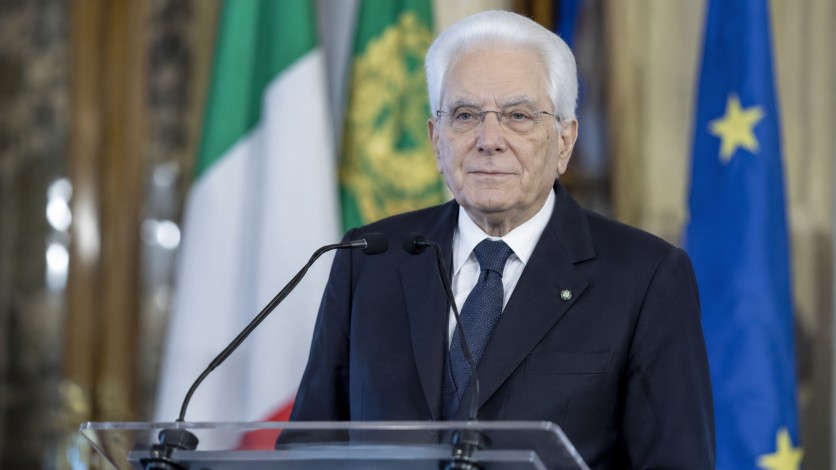
In a recent development, Italian President Sergio Mattarella held discussions with Justice Minister Carlo Nordio to reinforce the constitutional stipulation that the authority to grant pardons is the exclusive domain of the President. This clarification comes on the heels of the justice ministry’s initiation of pardon proceedings for Mario Roggero, a 72-year-old jeweler who has been sentenced to 14 years and nine months in prison. Roggero was convicted for the fatal shooting of two robbers and injuring another during a 2021 robbery at his store, a sentence recently upheld by Italy’s Supreme Court.
President Mattarella’s meeting with the Justice Minister was sparked by the ongoing public and political discourse surrounding Roggero’s case. The incident has led to a significant debate over the legal boundaries of self-defense and the application of judicial mercy. Several lawmakers from the ruling coalition and senior government officials have been vocal, urging that all potential legal avenues be explored in Roggero’s case.
Reaffirming the President’s constitutional powers, Mattarella pointed to a 2006 ruling by the Constitutional Court, which clearly states that the granting of pardons is a prerogative reserved solely for the President. This legal interpretation underscores the separation of powers within Italy’s governmental structure, ensuring that executive decisions remain distinct from judicial proceedings.
The case of Mario Roggero has captured national attention, raising questions about the balance between justice and mercy in Italy’s legal system. As the government navigates these complex issues, the discussion between President Mattarella and Justice Minister Nordio highlights the ongoing need to clearly delineate the roles and responsibilities of different branches of government within the framework of the Italian Constitution.