
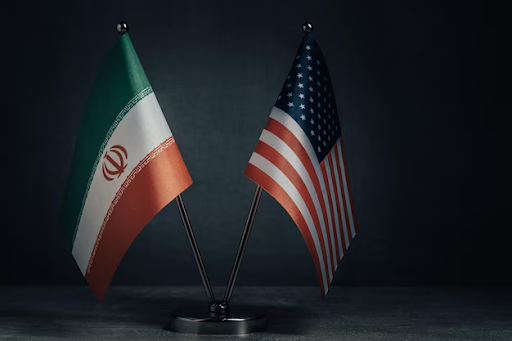
The contrast could hardly have been starker on Tuesday: in Geneva, Iranian diplomats were making cautious but genuine progress in nuclear talks with the United States, while back home the Iranian government was arresting reformist politicians, prosecuting tens of thousands of protesters, and acknowledging that civilians had been killed in the recent unrest. The dissonance defined a day of profound contradictions for the Islamic Republic.
Foreign Minister Araghchi led Iran’s delegation through three and a half hours of indirect talks with American counterparts, facilitated by Oman in Geneva. He emerged to report agreement on guiding principles and a commitment to exchange draft texts before meeting again in approximately two weeks — outcomes he described as meaningful progress compared to the first round earlier this month.
The nuclear substance of the talks centered on Iran’s enrichment programme, particularly its 40-kilogram stockpile of 60% enriched uranium — material that approaches weapons-grade purity and has no application in civilian nuclear energy. Iran offered to dilute this stockpile and expand IAEA oversight at nuclear facilities damaged in recent US airstrikes, framing these steps as substantive confidence-building measures.
The US continued to demand a complete halt to domestic uranium enrichment, a condition Iran has refused consistently and categorically. The two sides also differed on the duration of any enrichment suspension, the scope of IAEA access, and whether the broader diplomatic package Iran had tabled — including a non-aggression pact and economic incentives — would be part of any deal.
At home, the Iranian government’s handling of the recent protests remained deeply controversial. The judiciary confirmed that over 10,000 demonstrators had been summoned for trial, with widespread reports of coerced confessions and denial of legal representation. Reformist politicians continued to face arrest, and even President Pezeshkian appeared visibly distressed at a mourning ceremony in Mashhad — a figure caught between the demands of diplomacy abroad and the tragedy unfolding on Iran’s streets.