
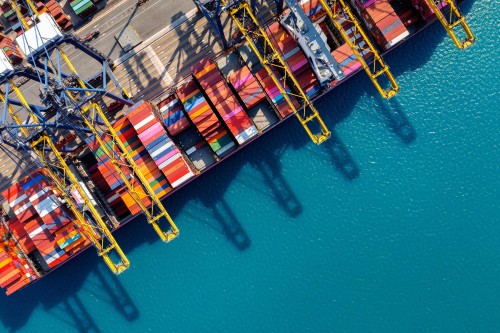
The European Union and China have embarked on a significant diplomatic venture, agreeing to engage in three months of negotiations aimed at addressing a substantial €360 billion trade imbalance. This initiative seeks to avert a broader trade conflict between the two economic giants. The agreement, a notable development, was achieved in Brussels following weeks of heightened tensions due to the surge in Chinese exports penetrating European markets. This marks the first collaborative declaration between the EU and China in seven years, indicating a mutual commitment to fostering a more equitable trade partnership.
EU Trade Commissioner Maroš Šefčovič, emphasizing the need for progress, stated that the discussions are expected to yield “tangible results” ahead of the upcoming high-level meeting in Beijing scheduled for October. Šefčovič engaged with Chinese Commerce Minister Wang Wentao in efforts to alleviate tensions through diplomatic channels. The consultations on trade and investment are intended to enhance dialogue surrounding economic policies, thereby stabilizing relations. Nevertheless, concerns persist among European leaders regarding the potential impact of rising Chinese exports on local industries and employment, a situation they refer to as “China Shock 2.0.”
Data from Eurostat highlights that the disparity is stark, with Chinese exports to the EU outpacing European exports to China by approximately €1 billion daily. Šefčovič cautioned that this growing trade deficit is unsustainable, stressing the importance of achieving meaningful outcomes from these negotiations. European industry groups have echoed these concerns, particularly alarmed by the potential weakening of domestic manufacturing, especially in sectors heavily reliant on Chinese components. The scope of the dispute transcends electric vehicles and green energy products, touching upon broader industrial competition.
The negotiation agenda is set to address four critical areas: the balance of trade and investment, export controls with a focus on rare earth materials, the protection of intellectual property rights, and reforms related to the World Trade Organization. Additionally, the EU and China have agreed to establish a monitoring mechanism to track sudden spikes in imports or exports. Officials indicated that discussions could intensify if trade activities hit warning thresholds necessitating political intervention.
After the imposition of tariffs in 2024 failed to significantly curb Chinese electric vehicle imports, the EU has opted for a more cautious approach. European authorities are now contemplating further measures, including the potential implementation of quotas on hybrid vehicles and chemical products, as they strive to safeguard local industries while pursuing a balanced trade relationship with China.