
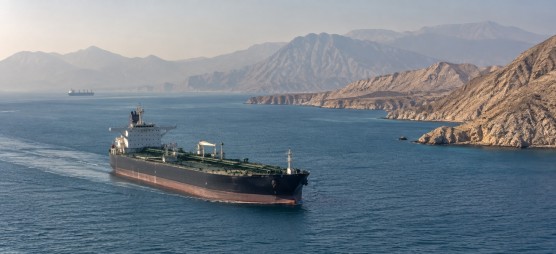
The potential reopening of the Strait of Hormuz within a week could significantly reduce global energy tensions, provided the United States eases its military stance towards Iran and lifts the blockade on Iranian ports. This proposal from Iran, conveyed through mediators to Washington on September 16, offers a diplomatic pathway amidst escalating geopolitical frictions.
The Strait of Hormuz is a critical maritime route for oil shipments worldwide, and its closure has heightened concerns over energy security. Iran has linked the reopening of this vital channel to a reduction in U.S. military activities, highlighting the strategic importance of this waterway in global trade and politics.
Senior Iranian officials have expressed their willingness to engage in further discussions during the United Nations General Assembly in New York, where Iranian President Masoud Pezeshkian is present. Although no direct meeting is scheduled between President Pezeshkian and U.S. President Donald Trump, the Iranian delegation has been authorized to explore diplomatic negotiations.
U.S. Secretary of State Marco Rubio has indicated that the United States is open to dialogue with Iranian representatives during the Assembly, though no formal meeting has been planned. Rubio underscored that any engagement should align with efforts to prevent Iran from developing nuclear weapons, a longstanding point of contention between the two nations.
This diplomatic overture comes at a time when both countries face mounting pressure to de-escalate hostilities and address broader issues, including Iran’s nuclear program and the security of the Strait of Hormuz. The proposal represents a strategic move towards potentially reducing tensions and fostering diplomatic solutions, though the outcome remains uncertain as negotiations unfold.